
About Anti-Slavery Day
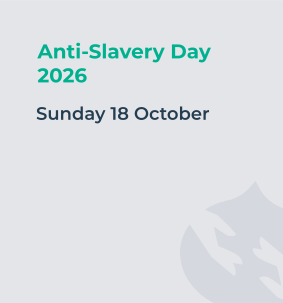
Anti-Slavery Day takes place every year on 18th October to raise awareness of the dangers and consequences of modern slavery, human trafficking and exploitation, and take action against it. It was established in the UK by an Act of Parliament in 2010, reinforcing our collective duty to end exploitation.
What is human trafficking?
Human trafficking is the unlawful act of transporting or coercing people through the use of violence or deception in order to benefit from their work or service, typically in the form of forced labour or sexual exploitation for financial or personal gain.
People can be trafficked and exploited in many forms, including being forced into sexual exploitation, labour, begging, crime (such as growing cannabis or dealing drugs), domestic servitude, marriage or organ removal.
- An estimated 40.3 million people are in modern slavery, including 24.9 in forced labour and 15.4 million in forced marriage.
- There are 5.4 victims of modern slavery for every 1,000 people in the world.
- 1 in 4 victims of modern slavery are children.
- Women and girls account for 71% of modern slavery victims.
Data source: UN / ILO
Anti-Slavery Day 2026, our theme is:
Every life, free to flourish
The theme reflects what flourishing means to us: every survivor being seen and heard, supported to regain freedom and able to shape a future on their own terms.
Since 2016, The Do Good Charity has supported more than 8,489 survivors to reflect, recover and rebuild their lives. In 2026, up to the end of September, we supported 1,853 people.
Our modern-day slavery services support people affected by trafficking and modern slavery, as well as people who have experienced homelessness or abuse and need intensive mental health support.
Working in partnership with The Salvation Army through the Government’s Modern Slavery Victim Care Contract (MSVCC), our teams across the country provide safe, person-centred support that recognises each survivor’s strengths, choices and hopes for the future.
Our specialist safe-house teams create welcoming environments where people can feel secure, be listened to and take steps towards recovery, independence and flourishing.
We specialise in trauma-informed care and work alongside partner organisations to respond to a wide range of mental health needs, including those connected with alcohol and substance misuse. This joined-up support helps each person move forward at their own pace and build the life they want.
The words of people we support show what it means to be seen, heard and encouraged to flourish:
“The staff listen to my concerns, issues and problem.”
“There is care for one another and a lot of encouragement.”
“There is help and I am provided for. If I have a problem I can talk to someone who will be glad to listen to me and help and encourage me also.”
“I have been helped so much in this safe housing. I am so much happier and I pray. God bless them.”
“People are made to feel very welcome and supported to live a better life.”
Modern day slavery – real stories
As part of our continuing effort to raise awareness of the consequences of modern day slavery, this newly commissioned film tells the story of people who have been subjected to this crime. These are stories directly from people who we support. Their identities have been protected.
We are immensely grateful for their contribution.
Providing training and awareness courses:
In 2026 The Do Good Charity has delivered training courses to eight local authorities, including Stockton, Rochdale and Birmingham City Council, on the following subjects:
Modern Slavery Awareness
County Lines
MDS Care Standards
Learning from Serious Case Review
“This training has provided us with a great insight and will help us spot modern slavery in our communities.”
“You have given me some great tools to spot modern slavery, some of which I would never have thought about.”
“The level of knowledge The Do Good Charity has in modern day slavery should be shared across the country”
Case study
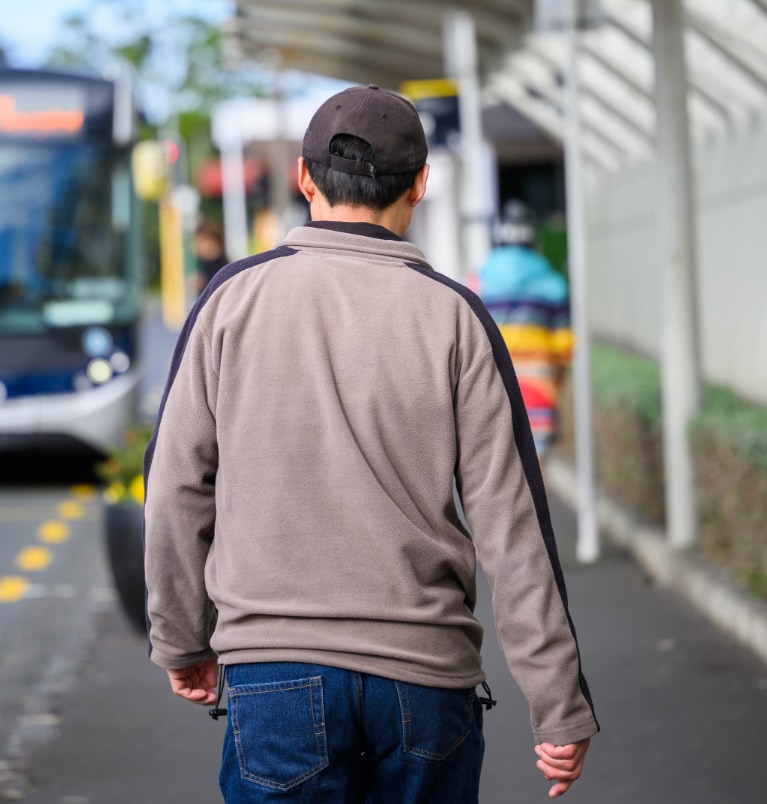
Marwan* came to The Do Good Charity after experiencing trafficking and modern slavery in Libya and Sudan. Living in a new country with limited English made it difficult for him to communicate, access services and build trust. With an interpreter and patient face-to-face support, Marwan gradually felt able to speak openly about what he needed.
Practical support made a significant difference. Marwan enrolled on an ESOL course and became confident enough to continue conversations without an interpreter so he could practise his English. His support worker also helped him open a bank account, apply for Universal Credit after receiving refugee status, register with a GP and approach the local authority for housing.
When Marwan could not contact his solicitor before an important interview, his support worker acted quickly to reconnect them, easing his stress at a critical time. Although he was determined to improve his life, he was unfamiliar with the processes involved in settling into a new country. Regular calls and check- ins helped him understand what to expect, rebuild his confidence and know that he was not facing these challenges alone.
Marwan is now more independent, participates in his community and hopes to find work and support his family back home.
*Name changed to protect identity
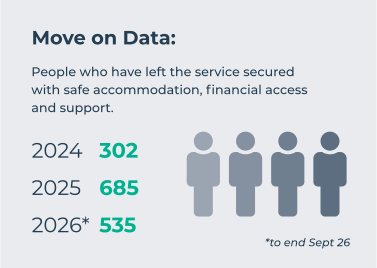
Our work to support people affected by modern day slavery
The Do Good Charity’s MDS services provide care and support to people affected by modern-day slavery and trafficking, and people who have experienced homelessness, abuse and require intensive mental health support.
Working in partnership with The Salvation Army as part of the Government’s Modern Slavery Victim Care Contract (MSVCC), teams across the country support people to reflect, recover and rebuild their lives.
We specialise in offering trauma-informed care (TIC) and work with partner organisations to provide a full range of support for different mental health needs including alcohol and substance misuse.
All of our safe houses have specialist support teams to provide and provide an environment for people affected by trauma due to trafficking and modern slavery to recover and rehabilitate.
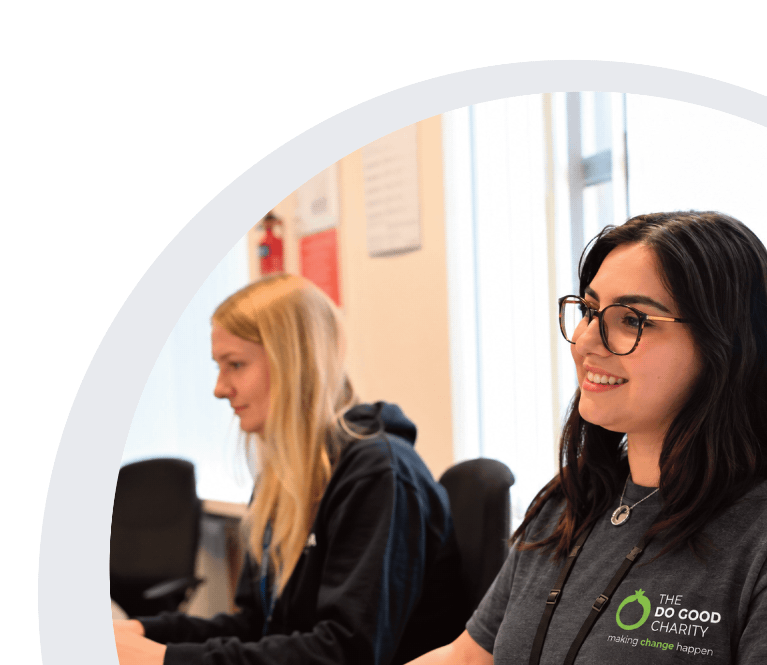
Safe-houses
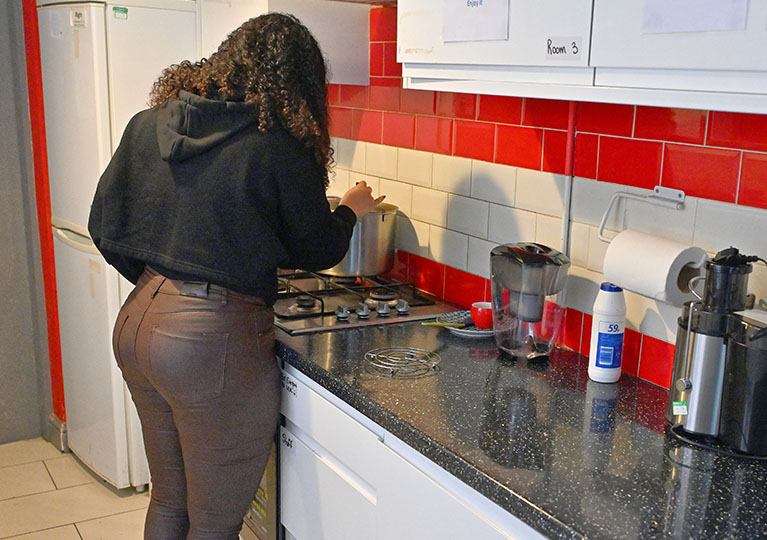
The Do Good Charity provides safe houses for people subject to modern slavery, offering a supportive environment with specialist support to help people rehabilitate and recover from their experiences.
Accommodation provided is furnished and equipped to meet all basic needs with specialist personalised support 24-hours every day with outcome-focussed care plans.
Outreach Services
Outreach services based in London and the North West provide practical and emotional support to people to enable them to recover and rebuild their lives.
What is provided?
Comprehensive support across key areas:
- Health
- Financial security
- Education
- Employability
- Community integration
Support to access
- Health services
- Housing and move-on options
- ESOL
- Vicarious trauma support
- Signposting
- Mental health services
- Substance misuse support
Specialist support teams
We ensure that every member of the team follows a comprehensive learning pathway so that they can meet the needs of the people we support in the following areas:
- Promoting independence
- Mental health
- Drug and alcohol related needs
- Assisting in employability
- Finding employment and training opportunities
- Multi-agency booking
- Signposting
- Active listening
- Safety
- De-escalation and crisis management
Useful Links
- https://www.renate-europe.net/
- https://www.salvationarmy.org.uk/
- https://coatnet.global/
- https://www.hestia.org/
- https://www.unseenuk.org/
Proud to be members of
Click above to watch an interview with one of the people we support in our safehouses. (Spoken in Punjabi with English subtitles)